
By AllValorant.gg Editorial Team
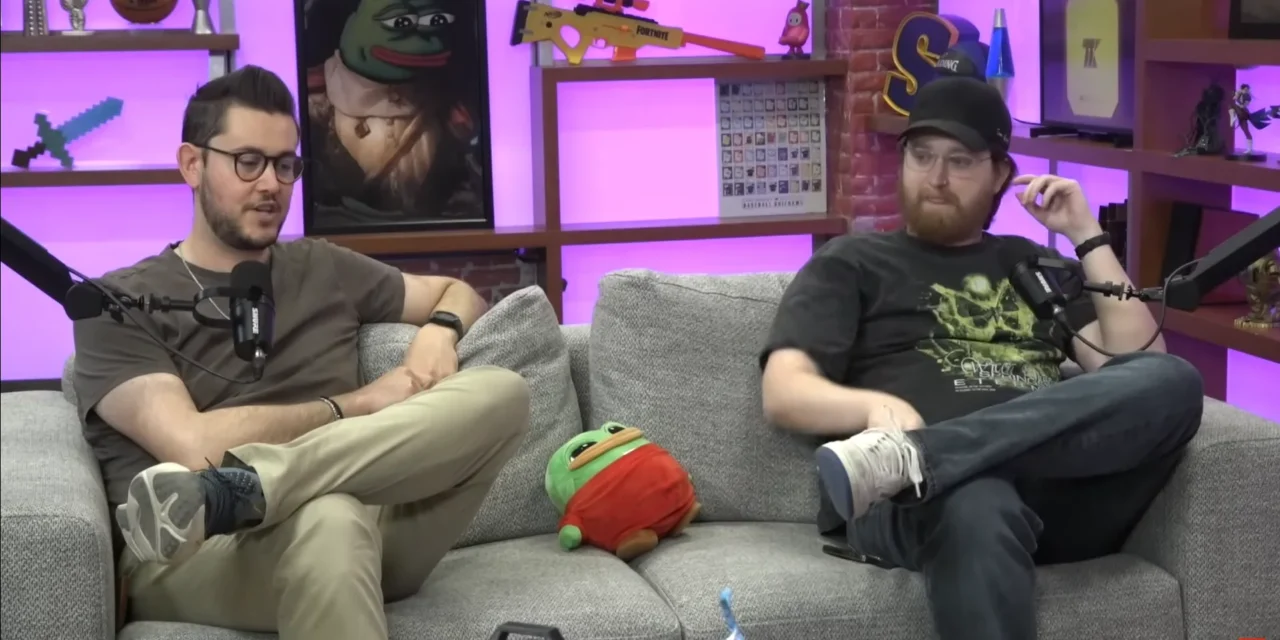
Source: theScore esports – TTK Episode 1
In what was meant to be a celebratory week for esports and gaming, a dark cloud continues to hang over Valorant’s competitive ecosystem. The first episode of Time to Kill (TTK) by theScore esports opened with its usual wit and cultural riffs, but it wasn’t long before the tone shifted to one of concern — particularly for the North American Valorant Tier 2 scene, which is now grappling with serious match fixing allegations.
Match Fixing in NA Tier 2: Rotten to the Core?
The hosts, all long-time esports followers and veterans of the Counter-Strike and Valorant space, devoted a significant portion of the episode to discussing the ongoing match fixing scandal in Valorant Tier 2. Triggered by the exposé video from NA CS and Valorant legend Sean Gares, the scandal details a network of alleged match fixing involving Tier 2 teams and anonymous betting syndicates.
But unlike the infamous iBUYPOWER scandal in CS:GO, which centered around skins and a few hundred dollars, this situation reportedly involves tens of thousands in crypto payments, Discord and Telegram message threads, and a web of collusion that stretches far deeper than anyone anticipated. Players are alleged to have thrown matches for sums upwards of $50,000, creating a competitive environment that’s been described as “rotten to the core.”
TTK’s take is clear — this isn’t just a bad look for Tier 2. It’s a foundational issue that undermines the entire structure Riot is trying to build with Valorant.
Riot’s Response: Too Little, Too Late?
As the panel noted, Riot has launched an official investigation. But confidence in the developer’s ability to clean house is low. The podcast draws attention to how developed the system has become: players being asked to switch conversations to Telegram, payments being processed in crypto, and key conversations happening off-record.
Worse, this isn’t an isolated issue. It’s a systemic one — and the hosts aren’t sure Riot has the tools, resources, or urgency to address it properly.
“People have been doing this since CS:GO,” one panelist noted. “They moved from skins to crypto. And nobody has really paid the price.”
The Cost to Valorant’s Future
Match fixing isn’t just a black mark for the players involved — it has ripple effects. When Tier 2 becomes compromised, it discourages orgs from investing. The pipeline from amateur to pro breaks. Talented players either fade out or, worse, participate in the corruption. And fans lose trust.
This scandal, unfortunately, isn’t new territory for esports. But it comes at a particularly bad time for Valorant, which is already struggling to maintain a stable Tier 2 environment. Numerous teams have exited the scene in recent months due to poor support, lack of prize pool sustainability, and limited visibility. Now, with integrity also being questioned, the ecosystem feels more fragile than ever.
Where Do We Go From Here?
The TTK panel emphasized that while the scandal is upsetting, it’s also an opportunity — if Riot acts quickly and decisively. Suggested reforms include:
- Lifetime bans for confirmed match fixers
- Increased transparency around investigations
- Greater financial support for Tier 2 orgs
- Clearer anti-cheat and anti-fraud protocols
Ultimately, as theScore’s hosts put it, “this is sad.” But if Valorant is going to continue thriving — especially as it approaches its sixth competitive year — the community, orgs, and Riot themselves must ensure competitive integrity is non-negotiable.
For more updates on Valorant esports, tournament coverage, and breaking news, stay locked to AllValorant.gg.
Source: theScore esports – TTK Episode 1
Frequently Asked Questions
What are the current Valorant match-fixing allegations?
Several tier 2 Valorant teams in North America are allegedly involved in match-fixing. The accusations came to light after Sean Gares and others shared Discord messages and betting evidence suggesting that players were paid to throw matches.
Who is investigating these match-fixing claims?
Riot Games has opened an official investigation into the matter. However, some in the community are skeptical about how far Riot’s investigation can realistically go, given the use of platforms like Telegram and crypto to obscure evidence.
Is match-fixing in Valorant a new issue?
Not entirely. Many suspect this is a continuation of similar behavior from tier 2 North American Counter-Strike, where players engaged in match-fixing with few repercussions. The lower visibility and lax enforcement in Valorant’s tier 2 scene created a perfect storm for similar incidents.
What makes tier 2 Valorant a target for match-fixing?
Tier 2 Valorant is often overlooked, making it a sweet spot for manipulators. There’s less scrutiny from the public and Riot, but still enough prize money and betting volume to incentivize illegal behavior.
Are there any confirmed bans or punishments yet?
As of now, no players or teams have been publicly banned or penalized. Riot’s investigation is ongoing, and the community is awaiting further developments.
How does this affect the future of tier 2 Valorant?
The match-fixing scandal could potentially destabilize the tier 2 scene even further. If Riot cannot resolve the issue, sponsors, fans, and players may begin to abandon the space altogether, harming long-term development for up-and-coming talent.