Valorant has grown to become one of the most competitive and tactically engaging first-person shooters since its release. A significant portion of this appeal lies in its meticulously designed ranking system, which not only fosters competition but also ensures a fair matchup for players of all skill levels. Valorant Ranks serve as a badge of honor, reflecting a player’s skill, dedication, and teamwork abilities. Understanding this ranking system is crucial for maximizing your performance and climbing the competitive ladder.
In this guide, we’ll dive deep into the structure of Valorant ranks, explore how advancement works, and examine rank restrictions for teaming up with others. Whether you’re new to Valorant or looking to improve your rank, this comprehensive breakdown will provide clarity and actionable insights tailored for competitive success.
Valorant Ranks Structure and Hierarchy
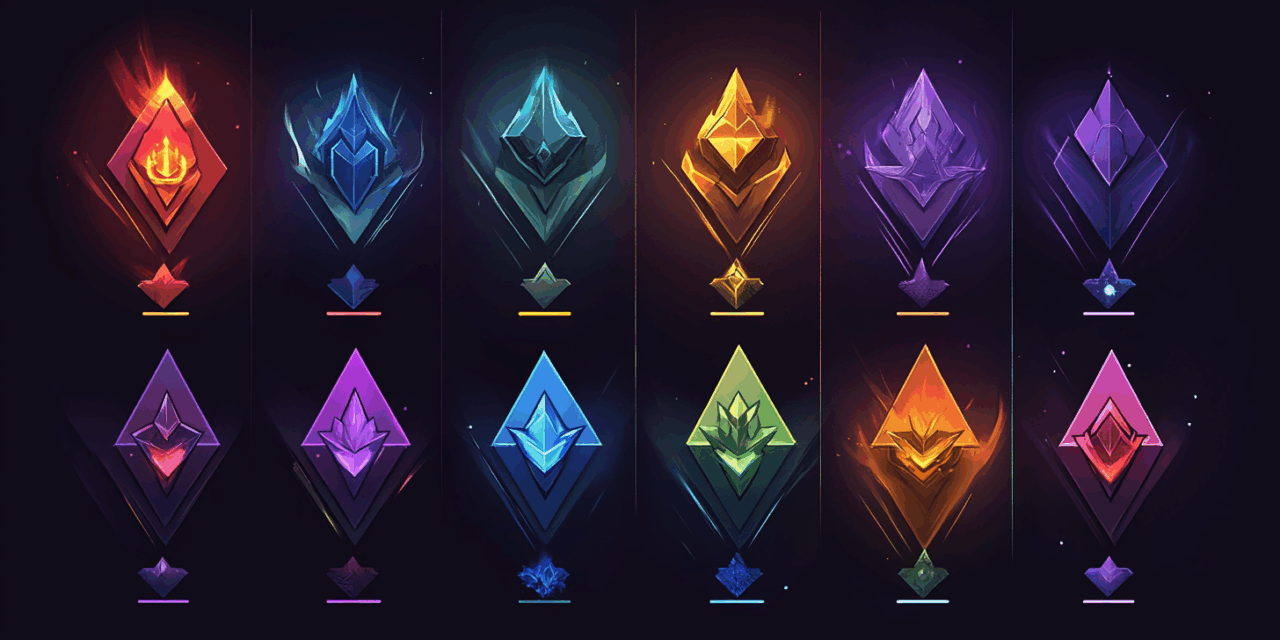
The Valorant ranks system comprises nine primary ranks, each divided into tiers (except for the highest rank). These are designed to group players based on skill levels, ensuring fair matches while encouraging progression from one tier to the next. The distribution of ranks is as follows:
- Iron (13): Entry-level ranks for newcomers to competitive FPS games.
- Bronze (13): Slightly more experienced players refining their basics.
- Silver (13): The largest group of players, where most begin to grasp core mechanics and strategies.
- Gold (13): Where competency in both shooting and teamwork starts showcasing.
- Platinum (13): Advanced players demonstrating consistent accuracy and tactics.
- Diamond (13): Skilled individuals who understand minute strategies and communicate effectively.
- Ascendant (13): Competitive semi-pro tier, a relatively new addition to bridge Diamond and Immortal.
- Immortal (13): The cream of the crop, with highly dedicated players thriving on teamwork and individual skill.
- Radiant: The pinnacle of Valorant ranks, reserved for the top 500 players in each region. Considered an elite badge of mastery.
Notably, these ranks are symbolic of one’s journey within Valorant, aiming to match players with others of comparable skill for balanced and engaging matches.
How Players Progress Through Valorant Ranks
The Role of Rank Rating (RR) and Matchmaking Rating (MMR)
Advancing (or falling) within the Valorant ranks is governed by two key metrics: Rank Rating (RR) and Matchmaking Rating (MMR). Here’s how each works:
- Rank Rating (RR): A visible point system that moves players up or down a rank tier. Players gain RR through winning ranked matches and lose RR when defeated. The amount of RR earned or lost depends on both individual performance and team outcomes within a match.
- Matchmaking Rating (MMR): Unlike RR, MMR operates in the background and determines who you face in each competitive match. A discrepancy between visible RR and hidden MMR could result in significant RR changes to align a player’s rank with their actual skill level. For example, performing well but losing games may stabilize MMR and soften RR loss.
Players seeking to climb Valorant ranks should focus on both team cooperation and individual performance to optimize their RR earnings. Consistent high-level play ensures progression while mitigating harsher RR penalties during losses.
Placement Matches and Seasonal Rank Resets
Entering the competitive system requires players to complete five placement matches after reaching account level 20. These games assess a player’s base skill level, enabling an appropriate starting rank. Expect to play against similarly skilled teammates and opponents with slight variance to determine precise placement.
At the start of each new Act (Valorant’s seasonal rubric), ranks undergo a soft reset. This necessitates one placement game to recalibrate, with substantial weight given to performance from the previous Act. A player’s visible rank may fluctuate, but their MMR remains relatively stable to avoid undue rank volatility.
The Impact of Individual and Team Performance
Winning a match is the most straightforward way to earn positive RR and progress through Valorant ranks. However, other factors also come into play:
- Individual Performance: Exceptional performance during games (e.g., securing high kills, effective utility use, or clutch plays) can boost RR gains, even in losses. Persistent underperformance, by contrast, may slow rank progression.
- Performance Bonuses: If a player delivers remarkable plays or significantly contributes to their team’s success, they may receive RR bonuses as recognition.
- Penalties for Negative Behavior: Players who exhibit unsportsmanlike conduct, such as going AFK, face penalties that adversely affect RR. Valorant’s ranking system enforces strict standards to maintain competitive integrity.
Teaming Up: Rank Restrictions in Valorant
One of the standout features of Valorant’s competitive system is its rank restrictions mechanism for queuing with teammates. These limitations help avoid matches where skill gaps negatively impact gameplay quality.
| Rank | Allowed Rank Gap for Queueing |
|---|---|
| IronPlatinum | Players can queue with others up to 1 rank above/below. |
| DiamondAscendant | Players must be within one division of each other. |
| ImmortalRadiant | Only players of the same rank tier can queue together. |
Understanding how Valorant ranks influence this restriction allows players to strategically form teams without falling afoul of matchmaking limitations. This knowledge is invaluable for achieving synergy while competing in high-stakes ranked games.
Player Distribution Across Valorant Ranks
The player base in Valorant skews towards middle-tier ranks like Silver and Gold. Higher ranks, such as Immortal and Radiant, account for only a small fraction of players due to their extreme skill requirements. Here’s a demographic breakdown:
- Silver (Most Common Rank): Represents the median skill level, with many casual players striving to improve their gameplay fundamentals.
- Gold and Platinum: Slightly more competitive, with incremental improvements required, such as mastering team coordination.
- Radiant (Rarest): Occupied by less than 0.12% of the global player base (~14,000 worldwide), showcasing unparalleled skill.
The uneven distribution reflects not only talent gaps but also differing goals across the Valorant community.
Seasonal Adjustments and Future Trends in Valorant Ranks
Riot Games continually fine-tunes the competitive system, responding to player feedback and gameplay trends. Key observations include:
- The Rise of Higher Ranks: Over time, more players are migrating upward into Gold, Platinum, and Diamond. As strategies evolve and mechanics improve across the community, the higher tiers may become slightly more accessible.
- Increased Focus on Casual Players: Many gamers prefer a laid-back approach, leading Riot to balance competitive and non-competitive game modes effectively.
- Adjusted Rank Distributions: Seasonal recalibrations aim to redistribute rank populations to incentivize ongoing play for the mid-tier crowd while challenging top-tier competitors.
Unlocking Competitive Play
For players new to Valorant, reaching account level 20 is the first critical milestone for unlocking ranked mode. Beyond this, engaging in placement matches and regularly refining skills enables steady progress within the competitive ecosystem. Neglecting gameplay can lead to rank decay, underscoring the importance of consistency in personal improvement.
Final Thoughts on Valorant Ranks
The intricacies surrounding Valorant ranks provide players with both a framework for improvement and an opportunity to test their skills in an equitable environment. From Rank Rating adjustments to rank restrictions for team formation, Riot Games ensures that every competitive match is as fair as possible.
Regardless of skill level, understanding how the ranking system operates lays the groundwork for anyone aspiring to climb to Radiant status”or simply seeking to enjoy Valorant competition at their current level. By focusing on teamwork, adaptability, and self-improvement, you can navigate the complexities of the system and take your gameplay to new heights.
For additional resources and insights, check out Riot Games’ official rank FAQs and explore ongoing discussions on Reddit’s Valorant subreddit. You can also find expert guides and more at AllValorant.gg.
Frequently Asked Questions Allvalorant.gg about Valorant ranks
What are the most important ranks or skill levels in Valorant competitions?
How do I get better at building in Valorant?
Can you play Valorant on all gaming platforms?
What is Creative Mode in Valorant?
How often does Valorant introduce new skins and content?
Are Valorant tournaments beginner-friendly?
Stay updated on Valorant News and updates by visiting All Valorant.