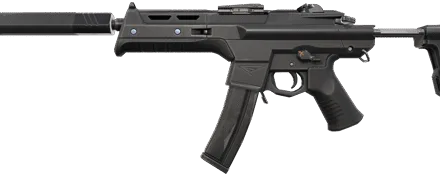
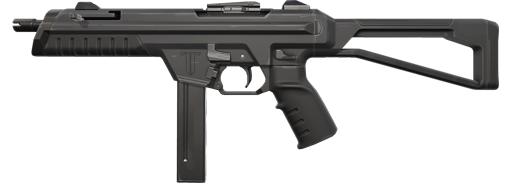
The Stinger in Valorant is renowned for its fast firing rate, budget-friendly price, and effectiveness in chaotic close-quarters situations. As a cornerstone of many eco and force rounds, this submachine gun rewards swift movement and aggressive play, making it a popular choice for players looking to turn the tide with limited credits.
Stinger Weapon Statistics and Economic Value
The Stinger is one of the most affordable primary weapons in Valorant, costing just 950 credits. While unavailable at round start due to the 800-credit limit, it’s often the first SMG most teams reach for in eco and force rounds. Its low price also enables you to buy abilities and armor without compromising firepower.
- Magazine Size: 20 rounds
- Equip Time: 0.75 seconds
- Reload Time: 2.0 seconds
- Fire Rate: 16 rounds/sec (auto), 8.47 rounds/sec (burst)
- Wall Penetration: Low
Find official stats and comparisons at TheSpike.gg.
Close-Quarters Power: Stinger Damage Profile
With a high fire rate but lower per-bullet damage, the Stinger is devastating up close, but not built for long-range duels.
- 0-20 meters: Head 67-68, Body 27, Legs 23
- 20-50 meters: Head 62-63, Body 25, Legs 21
This quick damage dropoff means the weapon loses potency with distance. In tight corridors or on early-round pushes, though, those numbers stack up quickly thanks to blistering speed.
Mastering Stinger’s Firing Modes
The Stinger supports both full-automatic and burst (alternate) fire, each with unique advantages:
- Primary Fire: Full-auto, 16 rounds/sec, high spread, best for close range and run-and-gun.
- Alternate Fire: 4-round burst, improved accuracy, 1.15x zoom, suitable for mid-range engagements.
While most players use full auto for raw speed, alternate fire can surprise foes at short-to-mid range by taming the weapon’s recoil. Try both modes to find what best fits your playstyle and situation.
Recoil and Spray Pattern: Tips for Control
The Stinger’s recoil kicks sharply upward and quickly becomes random after the first several rounds. To maximize accuracy, fire in short bursts and resist long sprays. Pull your aim gently downward to counteract the initial climb, and consider using steady movement rather than standing still. The Stinger’s forgiving accuracy while moving gives it a unique niche for aggressive, mobile play.
Discover detailed tips in this Valorant weapons guide by Dignitas.
When and How to Use the Stinger for Maximum Impact
Despite being accessible in terms of cost, the Stinger’s best value shines in particular scenarios:
- Eco and force rounds when funds are tight
- Close-range maps or sites such as Split or Bind
- Faster, aggressive flanking and ambush plays
- Retakes through tight corridors or narrow chokes
Use your mobility to surprise well-armed opponents, and make sure to buy accompanying armor to better survive trade engagements. The Stinger excels when you catch enemies off-guard at short distances where its rapid DPS outpaces many rifles. For more insight, check this in-depth Stinger weapon guide from InvenGlobal.
Limitations and How to Offset Them
No weapon is without drawbacks. Smart play can help you mitigate the Stinger’s weaknesses:
- Struggles at range: Avoid long sightlines and be willing to rotate for close-range fights.
- Little bullet penetration: Don’t expect to win fights through thick cover.
- Tricky recoil after initial shots: Focus on the first 4-5 rounds for best accuracy.
- Lower individual shot damage: Aim for headshots in chaos, but prepare to land multiple body hits for a kill.
Balance your buys, keep moving, and seek tight angles to play to the Stinger’s strengths.
Frequently Asked Questions about the Valorant Weapon Stinger
What is the Stinger in Valorant?
The Stinger is a submachine gun (SMG) in Valorant, known for its high fire rate and low cost. It’s suitable for close-range combat and typically purchased during eco or force rounds.
How much does the Stinger cost?
The Stinger costs 950 credits, making it one of the most affordable primary weapons outside of pistols in Valorant.
What are the Stinger’s firing modes?
The Stinger offers two modes: automatic (primary fire) and a 4-round burst (alternate fire) with enhanced accuracy. Automatic is ideal for close-range, while the burst suits mid-range control.
How do you control the Stinger’s recoil?
To manage its strong vertical recoil, pull your mouse downward and fire in short bursts. Recoil becomes unpredictable after several shots, so avoid spraying at long distances.
Is the Stinger good for long-range battles?
No, the Stinger suffers from heavy damage drop-off and low accuracy at range. It is best used in close-quarters encounters where its high fire rate can quickly overwhelm opponents.
Does the Stinger have good wall penetration?
No, it has low wall penetration, which makes it ineffective against enemies hiding behind thick cover. Plan your plays around direct line-of-sight engagements.
Which Valorant agents benefit most from the Stinger?
Agents who thrive on mobility and close-range skirmishes, like Jett, Raze, or Neon, can utilize the Stinger effectively, especially when flanking or disrupting enemy lines.
When should I buy the Stinger?
The Stinger is a smart choice during eco and force rounds, when you need to allocate credits for abilities and armor. It’s also useful for close-range sites or aggressive defensive setups.
How does the Stinger compare to the Spectre?
The Spectre is more expensive (1,600 credits) but offers better range, accuracy, and magazine size. The Stinger is cheaper and fires faster, but is less versatile outside of close-range fights.
Can the Stinger be used effectively while moving?
Yes, it’s one of the few weapons in Valorant that retains reasonable accuracy while moving, making it ideal for aggressive, run-and-gun strategies during early rounds or quick flanks.
Are there cosmetic skins available for the Stinger?
Yes, Valorant occasionally releases cosmetic skins for the Stinger. Browse the in-game store or community outlets for available options.
Where can I learn more about Stinger tactics and stats?
For advanced guides and data, explore MetaSRC’s Stinger analysis and TheSpike.gg’s SMG guide.