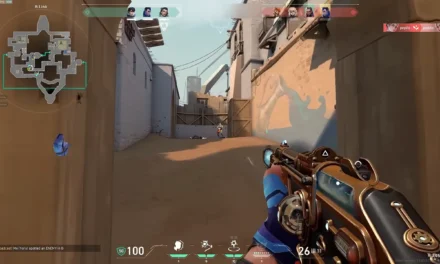

How many Valorant maps are there? If you’ve been playing Riot Games’ breakout tactical shooter or just keeping an eye on its competitive scene, chances are you’ve wondered this yourself. The answer: There are currently a total of 18 different maps in Valorant, once you count every map across all game modes. That number includes Classic battlegrounds from the original launch, new maps added over time, practice arenas, and those made just for Team Deathmatch. If you only care about competitive and unrated play, the core map lineup includes 12 full maps—but the true list is a bit more nuanced, depending on how you define “map.” Want the specifics and some insider knowledge? Let’s break it all down.
The Valorant Map Roster: More Than Meets the Eye
The world of Valorant is fueled by creativity, strategy, and a constant push for variety. In this shooter, maps shape how every match unfolds. Think of each map as its own puzzle, with sightlines, choke points, and unique gimmicks that force players to adapt their tactics and agent picks. Some rotate in and out of popularity, while others remain the heart and soul of the game.
Here’s how Valorant’s 18 maps divide up:
- 12 Core Competitive Maps – these are the main battlegrounds for unrated and competitive matches
- 5 Team Deathmatch Exclusive Maps – quick frags and respawn-focused chaos
- 1 Dedicated Practice Map (“The Range”) – a solo sandbox for aim training and lineups
If you want to see this list visually or check the latest additions, sites like BO3.gg and the official Valorant maps page are always helpful.
All Current Standard Maps in Valorant
The heart of Valorant lies in its standard maps—these are what you’ll play in unrated, competitive, and spike rush modes. Each map is hand-crafted with balance and tactical flexibility in mind, some featuring special features that truly set them apart. Ready for a whirlwind tour?
The Core 12-Map Lineup
- Bind – Famous for its one-way teleporters and quick site rotates.
- Haven – The only map with three spike sites, testing both defenders and attackers in new ways.
- Split – Tight corridors and high vertical play, a staple for coordinated teams.
- Ascent – Wide-open mid and unique mechanical doors.
- Icebox – Vertical zip lines, layered sites, and tricky snow-themed corners.
- Breeze – Long sightlines, wide open spaces, and that notorious mid control.
- Fracture – Two attacker spawns and crazy flanking routes—the map that flips everything on its head.
- Pearl – An underwater city with winding alleyways and sharp engagements.
- Lotus – Features three spike sites, spinning doors, and breakable walls.
- Sunset – Los Angeles-inspired, strong emphasis on mid control and compact bomb sites.
- Abyss – Dangerously open edges (don’t fall!), platforming elements, and tactical drop zones.
- Corrode – Industrial, toxic hazards, and opportunities for creative agent utility.
Each of these maps presents unique challenges. For example, Bind’s teleporters are a headache (or a trick) waiting to happen, while Haven’s triple-site setup means you need to think twice about where your team commits resources. On the flip side, a map like Lotus encourages creative plays around its spinning doors, giving teams new chances to outsmart their opponents. That variety keeps matches feeling fresh, no matter how many hours you’ve logged.
Map Rotation: Why Not All Maps Are Always Available
One aspect that confuses new (and even some long-time) players: Not all 12 competitive maps are in play at the same time. Instead, Valorant operates on a rotating map pool system, usually featuring seven maps at any one time for competitive and unrated modes. This keeps both casual and pro play dynamic, avoiding stagnation and endlessly recycling tactics.
So if you don’t see your favorite map in ranked for a while, don’t panic—it’ll cycle back in before too long. Riot Games rotates the lineup with each new Act, keeping things unpredictable. Want the latest competitive rotation? There’s a live list on ONE Esports or EloBoss.
The Team Deathmatch Map Pool
Looking for non-stop action? The Team Deathmatch mode in Valorant has its own exclusive collection. These maps are designed for swift pacing, loads of cover, and constant engagements—very different from the deliberate, site-based play of standard modes. The five maps exclusive to Team Deathmatch are:
- District
- Kasbah
- Piazza
- Drift
- Glitch
For more insight into how these arenas play, check out match highlights or tactical breakdowns on YouTube or look for breakdowns like those on SpaceX TapIn.
The Range: Valorant’s Practice Playground
This isn’t a competitive battleground, but it deserves a mention. “The Range” is Valorant’s dedicated training map, available to all players for solo practice, testing agent abilities, custom lineups, and mastering recoil patterns. If you’re a lineup nerd or simply want to fine-tune your flicks in peace, this is your happy place. No matter your level, using The Range can help you gain a real edge in matches—sometimes, it’s the most underrated map in the game!
What Makes Valorant’s Maps So Special?
What sets Valorant apart from other tactical shooters like CS:GO? It’s not just the lineup of maps, but how each one feels like a unique playground tailored for creative teamplay and clever outplays. Each has a distinct theme and often introduces innovative mechanics:
- Dynamic Elements: Teleporters (Bind), doors (Ascent, Lotus), and breakable walls (Lotus, Abyss)
- Diverse Site Count: Two or even three bomb sites (Haven, Lotus)
- Verticality: Elevated pathways, tight vents, or wide-open courtyards
- Flanking Options: Maps like Fracture offer unique approaches and favor teams that communicate well
All of this means there’s rarely a dull round, even after hundreds of games.
How Riot Balances and Expands the Map Pool
Adding (or vaulting) maps isn’t something Riot Games takes lightly. Each new map goes through months (or more) of testing, balancing, and player feedback. The team often balances the pool to maintain diversity in play styles, ensuring no one tactic or agent becomes too dominant. Occasionally, older maps are put “on the shelf” (removed from rotation), only to come back after some updates and reworks. This philosophy keeps the community guessing and adapting.
If you’re curious about the philosophy behind map design, check out insights from the developers themselves on the official Valorant blog.
Beyond Just Count: Why Map Variety Matters in Valorant
Let’s face it, tactical shooters live and die by map variety. Too few, and every match feels the same. Too many (with little balance) and you get chaos. Valorant strikes a sweet spot, introducing new maps every so often to add excitement, but keeping the active pool manageable. This helps pro teams and casual squads alike to develop strategies, learn lineups, and (best of all) never feel stuck in a rut.
It’s not just about how many maps exist, but how each one challenges you in new ways. Fancy a quick rush? That’s Split. Prefer calculated, three-pronged attacks? Hello, Haven and Lotus. Regardless of your preference, there’s a map that speaks your language—and, for most players, that’s what keeps Valorant so endlessly replayable.
FAQ: Answers to Common Questions About Valorant Maps
Are all Valorant maps available in ranked at once?
No – the ranked and unrated modes only feature a selected rotation of maps (usually 7 at a time). This helps keep gameplay fresh and gives newcomers a chance to learn the pool without being overwhelmed. You can check which maps are currently in rotation through sites like EloBoss or the official Valorant news feed.
What’s special about Haven and Lotus?
Both of these maps offer three spike sites (instead of the usual two), creating complex strategies for both attackers and defenders. This means more choices on both attack and defense – you have to think more creatively about rotations, fakes, and site splits.
Can you practice alone on any map?
You can practice movement and shooting in “The Range,” Valorant’s dedicated practice map. If you want to explore regular maps without the pressure of a real game, just start a Custom Game and select whichever map you’d like – perfect for learning lineups or new agent tactics solo.
Are Team Deathmatch maps ever used for competitive matches?
No, Team Deathmatch maps are designed specifically for the deathmatch mode and aren’t playable in ranked, Spike Rush, or unrated matches. Their layouts prioritize high-tempo, action-heavy play instead of the tactical planting and defending found on standard maps.
How do new maps get introduced to Valorant?
Whenever Riot Games introduces a fresh map, it typically enters competitive play after a short period spent in unrated and other modes. This allows the developers to iron out bugs, gather feedback, and ensure the map is balanced before it becomes part of ranked matches. Over time, the map pool rotates to keep things dynamic.
Where can I find map lineups and strategies?
Loads of resources exist for mastering each map. You’ll find in-depth guides on video platforms or challenger sites like BO3.gg, SpaceX TapIn, and the ever-useful official Valorant site. Learning key lineups or best agent picks for each map will help fast-track your climb up the ranks!
Ready to Jump In?
So, there you have it: Valorant boasts an impressive array of maps—18 in total when you count competitive, deathmatch, and practice arenas. Each one is a new battleground to master, filled with tricks and tactical surprises. Whether you’re a map aficionado or just trying to remember which site is which, diving into these arenas is where the real fun begins. Which Valorant map will become your new favorite?