
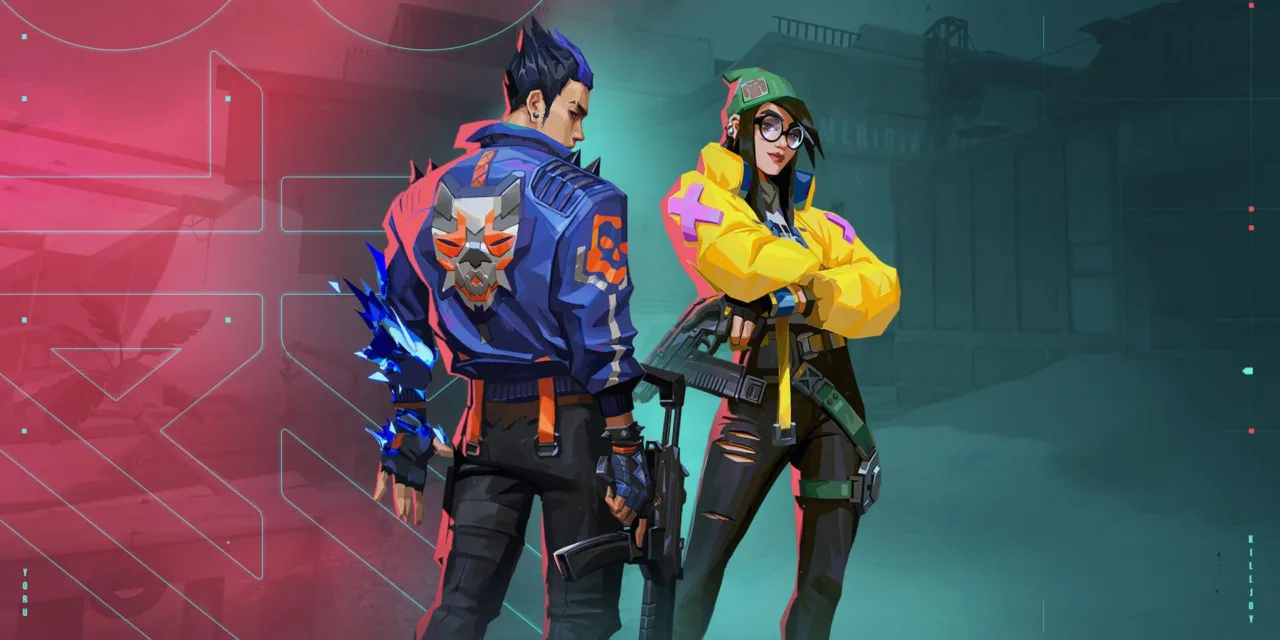
How do you play Valorant? At its core, Valorant is a tactical 5v5 first-person shooter where strategic teamplay, sharp aim, and creative use of unique character abilities all come together to determine victory. The game mixes the tense precision of games like Counter-Strike with the fantastic flair of hero-based shooters. If you’re looking to dive into Valorant but aren’t sure where to begin, you’re in the right place. This guide covers everything a new player needs to know – from basic rules and objectives to deeper strategies, agent selection, the economy system, and skill improvement. Let’s break it all down so that you can launch into your first match with confidence – or even just satisfy your curiosity about what makes this game tick.
What Valorant Is All About: The Core Gameplay Loop
Valorant matches are split into short, tense rounds. Two teams of five players face off. One side attacks, the other defends. The attackers’ main goal is to plant the Spike (basically a bomb) at one of two or three bomb sites, then defend it until it detonates. Defenders, on the flip side, must stop the Spike from being planted – or, if it goes down, hustle to defuse it before it explodes.
First team to win 13 rounds takes the match. If both teams reach 12 wins, you go into overtime with sudden-death tension. Every round is a fresh start – everyone revives, credits and weapons can change, and small mistakes or hero moments can swing the entire outcome.
Matches consist of two halves: after the first 12 rounds, teams swap sides. Don’t worry if that sounds overwhelming – every match gives you plenty of time to find your groove, learn from your mistakes, and slowly master the rhythm of attack and defense.
The Agents: Picking Your Playstyle
Unlike Classic shooters, every player in Valorant picks an Agent before the start of the match. Each Agent has their own unique set of four abilities, which can dramatically change how you play:
- Duelists – Self-sufficient fraggers designed to take the fight to the enemy (think Phoenix, Reyna).
- Initiators – Masters of information and disruption, setting up team pushes or defenses (like Sova, Breach).
- Controllers – Zone control experts who cut off sight lines and manage space with smoke or utility (such as Brimstone, Viper).
- Sentinels – Defensive specialists who lock down sites and protect the flank (Sage, Killjoy, Chamber… you get the idea).
Choosing an Agent isn’t just about personal preference – smart teams balance out their lineups for synergy. Can’t decide where to start? Try out the default Agent, Brimstone, while you’re learning. His kit is straightforward and powerful for beginners.
Abilities in Action
Abilities range from vision-blocking smokes to recon darts, healing fields, or even deadly ultimate attacks. Some must be bought at the start of each round, while others recharge over time. But don’t get carried away – your sidearm will matter more than any flashy skill. Smart use of utility just tilts fights in your favor.
Guns, Shooting, and Aiming Like a Pro
Let’s be honest: no Agent ability can save you if you can’t hit your shots. Aiming is the most important skill in Valorant. The game rewards careful, precise shooting over wild spray-and-pray strategies. Most firefights are won in a fraction of a second – a single headshot can be all it takes.
- Don’t move and shoot. Unlike some other shooters, moving reduces accuracy massively. Stop before you fire for best results.
- Crosshair placement matters. Always aim your crosshair at head level. You want to cut down the time it takes to react to an enemy rounding the corner.
- Adjust your sensitivity slowly. Professional players often use low mouse sensitivity for better control. Experiment and find what fits, but start with something in the realm of “0.35 at 800 DPI” as a benchmark.
- Practice makes progress. Spend time in the shooting range (called The Range) or jump into Deathmatch modes to build muscle memory.
Weapons have different recoil patterns. The Phantom and Vandal are the go-to rifles, but even the affordable Spectre SMG or Sheriff pistol can be deadly if you master their recoil and timing. Remember: bursting (short controlled sprays) is almost always better than holding the trigger down.
Understanding Valorant’s Economy: Spending Smarter
Each round, you earn credits based on whether you win, lose, get kills, or plant/defuse the Spike. Valorant has a team-based buy phase. Everyone gets a chance to purchase guns, shield (armor), and Agent abilities. Here’s a secret many new players miss: it’s often better to “eco” (save money) with your team for a full buy next round rather than force buy something weak every round. Communication and coordination during buy phases help you avoid awkward situations where half your team can’t afford real guns.
- First round (“pistol round”): Buy a cheap pistol, maybe some light armor or basic utility.
- Full buy: When your team can afford rifles, full armor, and full abilities. Plan for these rounds together for best results.
- Bonus round: If you win pistol, you might use your budget guns for one more round before upgrading.
Managing your cash—and working with your squad to “drop” weapons for those with less—is a core layer of deep Valorant teamwork.
Maps, Movement, and Outplaying Opponents
Valorant includes a rotating selection of maps, each divided into bomb sites and unique areas with creative sightlines, verticality, and cover. No two maps play exactly the same, so learning callouts, typical choke points, and even sound cues allows you to predict enemy movement—and make smarter decisions.
- Rotate wisely: Don’t be afraid to swap bomb sites if your team hasn’t spotted the Spike. Fast, coordinated rotation can steal entire rounds.
- Sound is crucial: Running makes noise! Learn to walk (hold Shift by default) when sneaking up or defending a site.
- Peek smart: Try “jiggle peeking” corners to bait shots or gather info with minimal risk, and avoid “dry peeking” where you walk into an angle without any intel.
- Know common angles: Study where enemies are likely to camp or hold. Predicting crosshairs becomes a game of chess at higher skill levels.
Want to see movement and positioning in action? Check out this visual beginner’s guide below:
Getting Better: Your First Steps and Beyond
Valorant isn’t just about mechanical aim or picking the flashiest Agent. It’s about learning maps, developing communication with your squad, using abilities wisely, and adapting under pressure. Here’s a blueprint to improve steadily and avoid common pitfalls:
- Start with Unrated matches. You’ll face players of all skill levels, but there’s no pressure to win at all costs.
- Stick to one or two Agents initially. Master their skills before bouncing around the roster.
- Use the Range. Practice spray control, trigger discipline, and even test ability usage in a safe space.
- Watch guides or tournament play. Seeing how the pros play (or explain the basics) can speed up your learning curve.
- Don’t tilt! Bad games happen. Valorant has a steep learning curve, and progress is usually about slow, steady improvement.
If you want official tips, Riot Games offers a Beginner’s Guide. For more detailed analysis and community tips, IGN’s comprehensive breakdown and expert resources like SCUF Gaming’s Valorant Tips are packed with value too.
FAQ: Common Questions About Playing Valorant
Is Valorant free to play?
Yes! Valorant is 100% free to download and play. You can unlock new Agents through gameplay or buy them with in-game currency. Cosmetic skins for guns/characters cost real money but don’t affect your gameplay.
Do I need to have friends to enjoy Valorant?
Not at all. Valorant is fun solo or with a group. That said, communication (even with random teammates using in-game voice or text) increases your odds of winning. Many players make friends over time and start queueing together naturally.
What should I do if I’m struggling with aim?
This is a super common concern. Spend 15 minutes a day in The Range or play Deathmatch modes to focus just on shooting. Also, watch guides like this YouTube beginner’s video to pick up posture, crosshair, and routine tips.
How do abilities impact the game? Do I need to use them perfectly?
Abilities are powerful, but you don’t need to be a pro to help your team. Start by learning how your basic ability works—like smokes, flashes, or heals—and use them to support team pushes or defenses. Over time, smart ability usage becomes almost second nature.
Can I switch Agents or weapons during a match?
You can switch your loadout and buy new weapons at the start of every round, but you cannot switch your Agent until the next match. Choose carefully at the Agent selection screen!
What’s the best way to learn maps as a new player?
It probably sounds tedious, but hop into custom games and walk around each map at your own pace. Learn callouts, check bomb plant spots, and discover hiding places. You’ll play better when you’re not surprised by every corner. Don’t forget to listen for sound cues and test lineups if you play Agents like Sova or Viper.
Level Up Your Game, One Round at a Time
Mastering Valorant is a journey, not a sprint. Focus on improving one skill or habit each week – maybe it’s crosshair placement, maybe it’s map callouts, or perhaps it’s teamwork. Before you know it, your “how do you play Valorant?” days will be far behind you. Keep grinding, have fun, and never stop learning. Good luck out there, and see you on the server!