Demon1 Valorant Settings Crosshair, Sensitivity, and Setup | AllValorant.gg
If you’re looking to replicate the playstyle of one of Valorant’s most dominant...
Read More
Valorant crosshair customization lets you tailor your visual focus to match your playstyle and map preferences. Whether you seek pinpoint precision or a bold, high-contrast reticle, the right crosshair boosts confidence and consistency in every match.
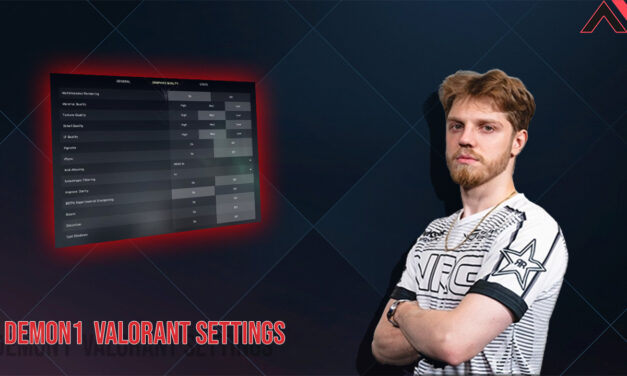
If you’re looking to replicate the playstyle of one of Valorant’s most dominant...
Read More
Master your aim with the best Valorant crosshair tips! Customize like a pro & land those crispy headshots ”
Read More
Master the art of precision with the best dot crosshair Valorant setup! Boost your aim & frag like a pro ”
Read More
Discover the best Valorant crosshair kodlarÄto boost your aim and dominate every matchPerfect for every playstyle!
Read More
Discover the best Valorant crosshair codes to elevate your aim! Copy, customize, and dominate every match ”
Read More
Discover the ultimate Valorant crosshair database to elevate your aim! Find pro setups & popular styles ”
Read More
Discover how to copy crosshair in Valorant like a pro! Master settings, tweak styles, and dominate matches easily ”
Read More
Master the perfect circle crosshair in Valorant! Boost your aim, get insane headshots, and dominate every game ”
Read More
Master your aim with the ultimate Valorant nokta crosshair setup! Sharpen precision, dominate matches, and climb ranks fast ”
Read More
Unlock the perfect dot crosshair Valorant code for insane precisionand dominate every headshot angle ”!
Read More
Learn how to master Valorant crosshair kopyalama with easy steps! Perfect your aim & play like a pro ”
Read More
Discover the secrets to the valorant en iyi crosshair for insane headshot accuracy! Boost your aimDominate every duel ”
Read More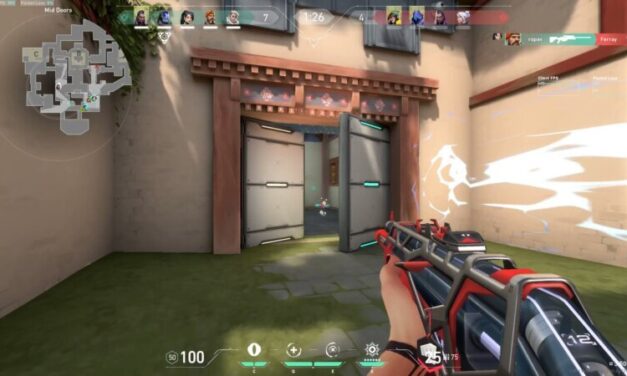
Unlock the best Valorant crosshair color codes to master headshots! Customize your aim like a pro ”
Read More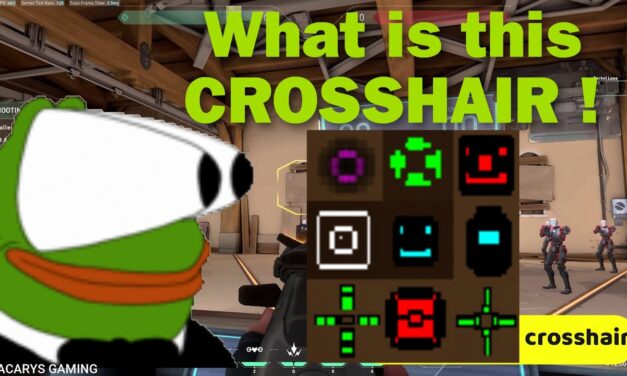
Discover the funniest crosshairs in Valorant that will make your squad OP while still clutching those 1v5s! ”
Read More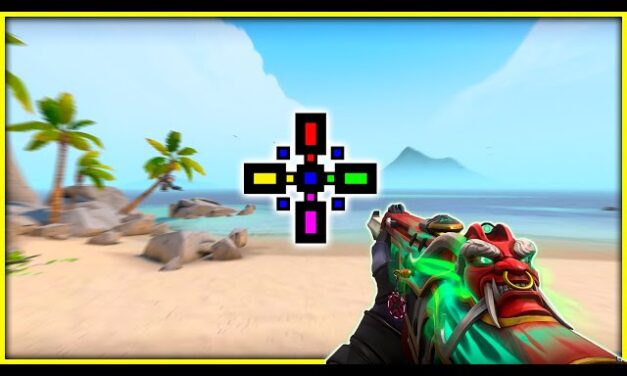
Unlock hilarious customizations with the Valorant troll crosshair! Perfect for trolling teammatesBoost your fun ”
Read More
Discover the ultimate Valorant crosshair sitesi! Customize like a pro with exclusive tips & stylesBoost your gameplay ”
Read More
Discover how to create the ultimate heart crosshair in Valorant. Customize your aim for those clutch plays! ”
Read More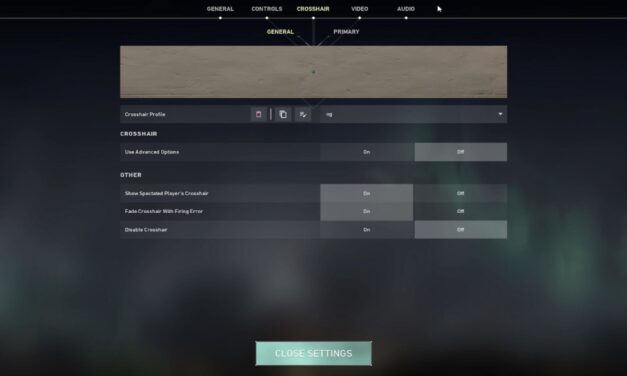
Master your aim with the best Valorant crosshair settings! Customize like a pro and dominate every clutch ”
Read More
Discover the best crosshair color Valorant players swear by! Boost your aim and flex on opponentsTop picks inside!
Read More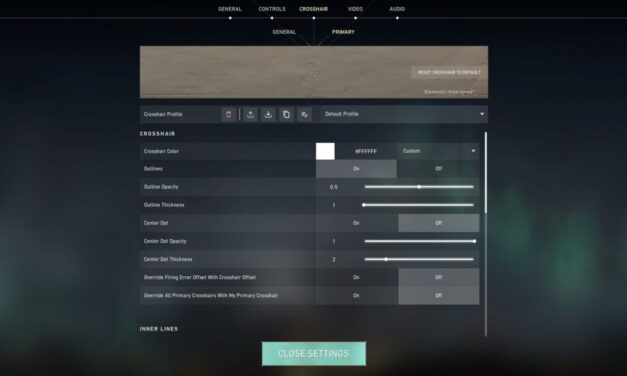
Customize your aim with our guide on how to change crosshair in Valorant! Perfect your shots & dominate matches ”
Read More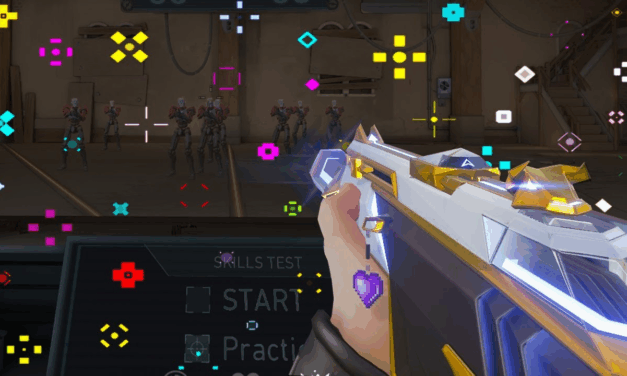
Discover the ultimate guide to crafting the perfect troll crosshair in Valorant! Elevate your gameplay style with ease ”
Read More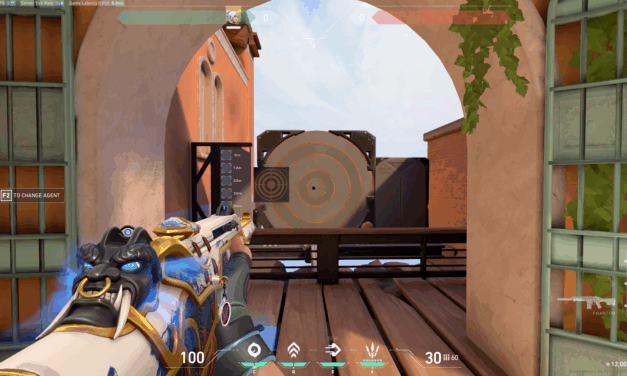
Master the ultimate black crosshair valorant guide to enhance your aim precisionand dominate Ranked games ”.
Read More
Unlock the purr-fect aim with the cat crosshair Valorant setup! Dominate lobbies like a true Radiant ”
Read More
Discover the best tips to create a good Valorant crosshair for insane headshotsDominate ranked games like a pro! ”
Read More
Unlock the ultimate Shroud crosshair Valorant settings! Dominate every clutch with precisionPerfect for headshots ”
Read More
Discover how to create the legendary Stickman Crosshair in Valorant for ultimate laughs and styleShow off your drip!
Read More
Master Tenz crosshair Valorant settings for pro-level aiming! Explore his secret setup & frag like a legend ”
Read More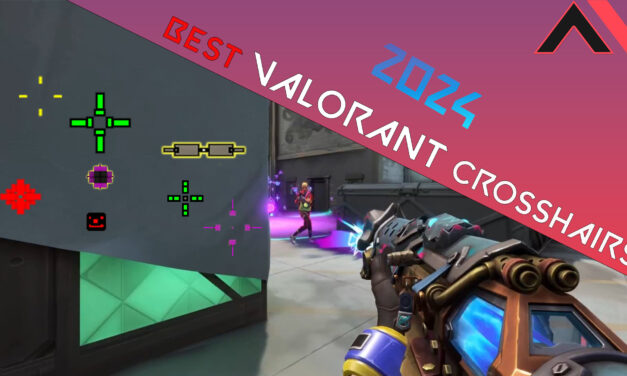
Finding the Best Valorant Crosshair can elevate your performance. Runx, a two-time Radiant player,...
Read More
Crosshairs in Valorant play a crucial role in your aiming accuracy and overall gameplay...
Read More
Your crosshair serves as the primary visual guide for aiming and controlling recoil in Valorant. A well-tuned crosshair minimizes distractions, aligns precisely with bullet impact, and helps you track moving targets. Investing time into crosshair setup pays dividends in clutch situations, enabling you to land headshots and maintain composure under pressure.
Precision demands a crosshair that matches your sensitivity and monitor resolution. Thinner lines reduce visual clutter, while adjustable opacity ensures that your reticle remains visible against varied backgrounds. By aligning your crosshair settings with your hardware, you can achieve more consistent shot placement.
Different maps feature unique color palettes and lighting conditions. A high-contrast crosshair stands out on both dark corridors and bright open areas. Consistency allows muscle memory to develop, so you react instinctively regardless of the environment or game mode.
Valorant offers a spectrum of crosshair colors, from neon green to hot pink. Select a hue that contrasts with common map colors—green on Icebox, cyan on Bind—while avoiding shades that blend into the environment. Opacity controls transparency; lower values reduce distractions but risk invisibility, so aim for 50–75 percent for optimal clarity.
Inner and outer lines determine the shape of your crosshair. Thickness values range from 0.5 to 3, where thinner lines cater to precision aiming and thicker lines aid rapid target acquisition. Line length defines how far crosshair tips extend—shorter lengths focus on center-point accuracy, while longer lines give a broader visual reference for spray control.
Movement error expands your crosshair when moving, indicating reduced accuracy. Many players disable this feature to maintain a steady reticle, but keeping it active provides real-time feedback on bullet spread. Firing error simulates recoil—use it sparingly to practice burst control or disable it for a stable view during rapid fire.
Outlines add a border around your crosshair, improving visibility against busy backgrounds. A 1-pixel outline thickness with 150 percent opacity balances prominence and subtlety. Center dots offer an alternative focus point for hitscan weapons—enable a small dot if you struggle to align shots with line intersections.
Tenz uses a slim, green crosshair with no movement error. His code: 0;P;0;1;S;1;S;10;v;0;0;o;1. The lack of inner lines and minimal opacity lets him maintain an unobstructed view, perfect for his lightning-fast reflexes and precision duels.
Shroud opts for a small, white crosshair with a center dot for headshot focus. Code: 0;P;2;0;S;1;S;8;C;1;0;o;0. This setup balances visibility and aim stability across all maps, reflecting his preference for traditional, no-frills reticles.
ScreaM’s crosshair emphasizes headshot alignment with thin lines and a central gap. Code: 0;P;0;1;S;1;S;7;C;0;0;o;1. The compact design allows rapid flicks and precise tracking, crucial for his pinpoint headshot style in high-pressure scenarios.
Minimalist reticles feature only inner lines with no outlines or movement error. Set thickness to 0.5, length to 4, and opacity to 80 percent. This setup reduces visual noise and centers your attention on targets, ideal for players who rely on raw aim rather than bloom feedback.
For entry fraggers and duelists, a high-visibility crosshair uses bold colors like cyan or yellow with thick outlines. Increase thickness to 2, add an outline of 2 pixels, and set opacity to 100 percent. Such settings ensure your reticle remains visible during rapid movement and team fights.
Express your personality with unique crosshair shapes—a heart, circle, or custom SVG import. While these do not improve performance, they enhance enjoyment. Use the in-game import feature to load community-created codes and switch between competitive and fun profiles depending on your mood.
Open Valorant and click the gear icon in the top right to enter the settings menu. Navigate to the Crosshair tab to view the customization interface. Adjust color, thickness, length, and error settings in real time to see immediate visual feedback.
Pro players share crosshair codes that you can import directly. Click the Import Profile button, paste the code string, and confirm. Your crosshair updates instantly, matching the exact parameters used by top competitors and content creators.
Visit the practice range after adjustments. Engage bots at varying distances to assess visibility and accuracy under movement and firing conditions. Tweak opacity or outline thickness based on range results—small adjustments often yield significant comfort improvements.
Websites and forums host extensive libraries of crosshair codes and tutorials. Subscribe to community hubs and YouTube channels that regularly upload curated collections. Keep a personal list of favorite codes in a text file for quick changes when switching agents or roles.
Select a color that contrasts with map environments. Bright neon shades like green, cyan, or magenta stand out on most maps. Test across Bind, Haven, and Split to ensure consistent visibility.
Yes. Valorant allows up to five crosshair profiles. Assign each profile to a specific agent in the crosshair settings, switching automatically when you select that agent in the pregame lobby.
Ideal thickness depends on your resolution and monitor size. Competitive players often use values between 0.5 and 1.5 for inner lines, balancing clarity and precision. Adjust until the crosshair is visible without obscuring small targets.
Movement error indicates inaccuracy while moving. Disabling it keeps your crosshair static, which many players prefer for consistent aim. However, enabling it can train you to recognize bloom mechanics more intuitively.
Outlines add contrasting borders around crosshair lines, making them stand out against busy backgrounds. A 1- to 2-pixel outline at full opacity ensures your reticle remains distinct on all maps.
Pro codes are shared on social media, streaming channels, and community sites. Check official player Twitter accounts or visit trusted content creators for verified code lists.
Yes. Higher resolutions may require thicker lines or larger lengths to remain visible. Scale your crosshair according to your display settings, testing in the practice range for optimal balance.
No. Custom crosshairs are client-side visual overlays and do not impact game performance or network latency. Feel free to experiment without worrying about frame rate drops.
Make minor adjustments when you change roles, maps, or significantly alter your sensitivity. Frequent changes can hinder muscle memory, so refine settings gradually over multiple sessions.
Inner lines form the central reticle used for aiming, while outer lines extend outward providing a reference for recoil control. Many players disable outer lines for a cleaner look focused on precision.
Riot Games provides basic crosshair customization options in the client. For advanced tutorials and pro insights, explore community guides and third-party analysis on the official Valorant and Riot Games websites.